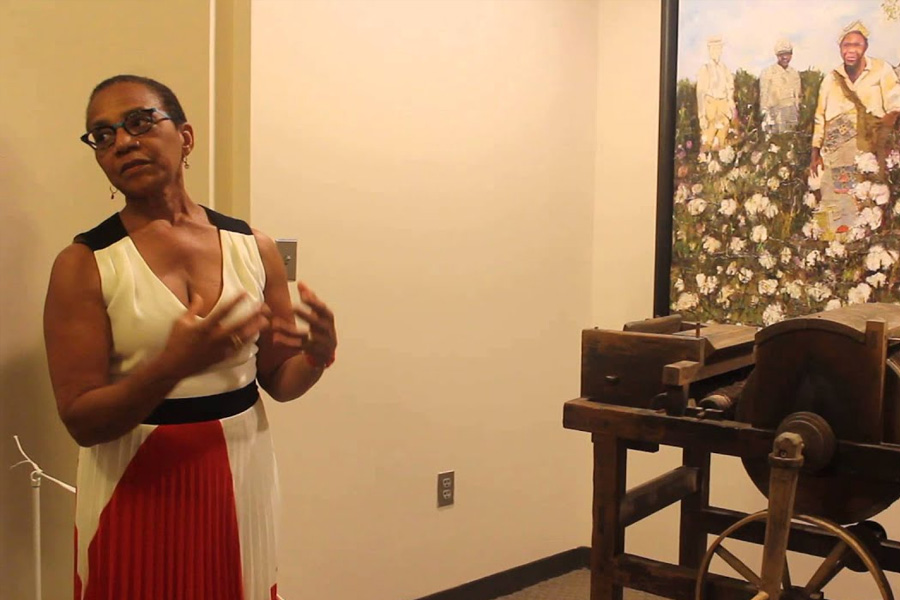
The Many Lives of Avis C. Robinson
Avis C. Robinson was a graceful transitioner. She was an artist, former economist, environmentalist, collector, advocate, wife, mother, and family historian. Avis Collins Robinson has a tale that spans Baltimore to Washington, schools to public service, and fabric to canvas.
Annie Ruth Brown and Edward Rhodes Collins had her in Baltimore on July 26, 1953. Her latter art seems founded in memory, genealogy, and home’s emotional architecture, such that beginning counts. Artists paint what they see. Avis Robinson captured a family’s memories of tranquility.
Her art made her public persona shine, but her journey was not studio-trained. Instead, intelligence, pain, discipline, and love were quilted together. Her academic and professional career preceded her painting career. Her work gained unique weight from that combination. It was sincere but careful. It was intimate yet not small.
Early Life and Education
I admire her educational trajectory since it shows desire and breadth. Avis Robinson graduated from Holy Cross Academy in 1971. The University of Maryland awarded her a BA in 1974. After graduating from Golden Gate University, she got a Master of Public Administration from Harvard University in 1988.
Those dates tell their own story.
| Year | Milestone |
|---|---|
| 1953 | Born in Baltimore, Maryland |
| 1971 | Graduated from Academy of the Holy Cross |
| 1974 | Earned B.A. from the University of Maryland |
| 1988 | Earned M.P.A. from Harvard University |
This was no casual academic record. It implies focus, stamina, and cross-disciplinary flexibility. Someone doesn’t slip into Harvard’s M.P.A. program. The juxtaposition between her artistic career and her background in analysis and public affairs was remarkable.
Yet contrast may not even be the right word. In her case, intellect and artistry seem less like opposites and more like two rivers feeding the same sea.
From Economist to Artist
Avis Robinson was an EPA economist before becoming famous for her graphic art. This is significant because it puts her in public service and policy, not just private innovation. She knew numbers, systems, and institutions. Before learning paint and cloth, she spoke government.
She started painting when her mother died. Her tale alters emotionally with that detail. Grief arrives like weather, yet some use it as a workshop. Avis Robinson’s painting seems to be an homage and testimonial. She combined painting and quilting, employing color, texture, portraiture, and layered surfaces to express African American history and her family’s inheritance tales.
Artist training was not her main claim. This makes her ascension more intriguing. Owning her visual vocabulary, she trusted it. I agree that her portraiture explores soul. The phrase “soul” might be imprecise, but in her case it implies character, memory, perseverance, and hidden presence.
She spent roughly three decades designing quilts while also working and raising a family. That timeline says a great deal. Art was not a hobby tacked onto the edge of life. It was woven through the center of it.
A Style Stitched from Memory
Avis Robinson became especially known for abstract quilted fabric works and paintings. Her art joined two traditions that are often separated in public conversation: fine art and textile practice. She refused that divide. In her hands, fabric was not secondary. It was language.
I picture her work as a conversation between surfaces. Paint speaks. Cloth answers. Texture interrupts like memory itself. The result is not decorative in any shallow sense. It is historical, spiritual, and intimate all at once.
Please Remember Me: Honoring Extraordinary Ordinary People, her 2013 exhibition, captured her unique style. Even the title shows her instincts. She liked dignity everywhere, not just famous names. She taught African American history through painting and quilts, not a textbook. Her art energized history.
That emphasis on ordinary people feels central to her legacy. Some artists chase spectacle. Avis Robinson seemed more interested in witness. She looked at families, workers, elders, and inherited memory, then transformed them into something luminous.
Family at the Center
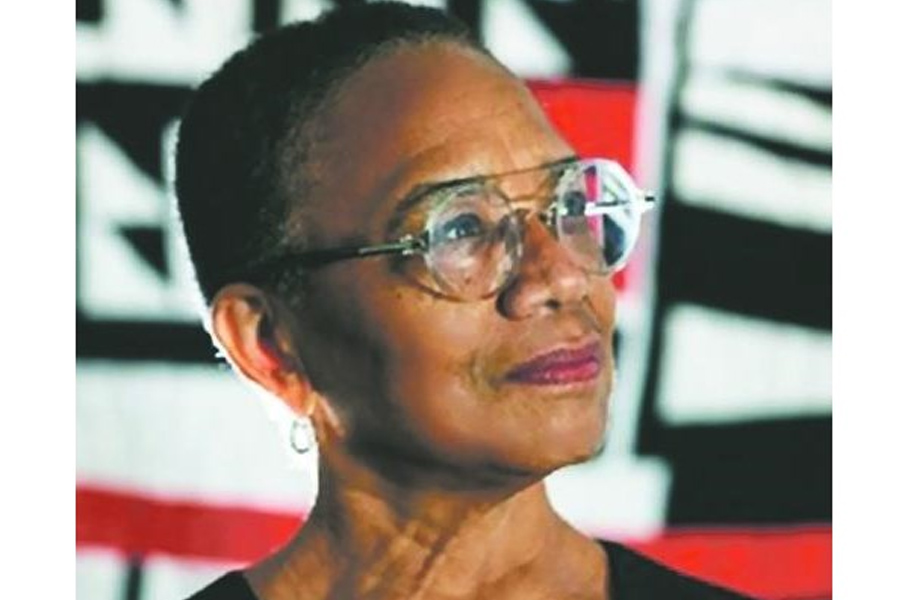
No portrait of Avis C. Robinson is complete without her family. Her life was deeply interwoven with the people closest to her, and those relationships shaped both her private world and her artistic imagination.
Her husband was famous journalist and columnist Eugene Robinson. They were married 45 years, indicating a long and meaningful relationship. Four and a half decades include occupations, children, losses, reinventions, and many regular days not in public biographies. Their marriage may have anchored her life.
Aaron and Lowell Robinson were their sons. She was survived by her daughter-in-law Maureen and grandkids Alice and Malcolm. Names that demonstrate the family line spread are important. Many artists have family as background. For her, family is the canvas’ frame.
Her sister Kirsten and foster brothers Harold and Donald Miles survived. This detail expands her emotional map. It implies biological, chosen, formal, and lived kinship. Quilting may have resonated with her since families are patchwork. Each quilt piece need not start the same way to belong.
Mother and father Annie Ruth Brown and Edward Rhodes Collins were important to her painting. She used childhood recollections and family history to inspire her art as an homage to her late parents. That is eye-opening. She didn’t mine abstraction for its own sake. She created visual monuments.
Public Recognition and Institutional Reach
Avis Robinson worked outside of houses and galleries. Her work appeared in Moscow, London, and the US Mission to the UN in New York City. That institutional recognition is impressive.
Artwork in certain locations does more than adorn. It signifies. It brings national culture into rooms where politics, diplomacy, and symbols mix. That positioning allows an artist whose work is rooted in African American history, family memory, and textile tradition international reach.
In 2023, her work was also honored in a setting connected to American cultural diplomacy. That same year became especially poignant because she died on October 28, 2023. Her death marked the end of a singular life, but not the end of her public presence.
The Claflin University Portrait
Avis and Eugene Robinson gave a painting to Claflin University, a noteworthy moment in her public life. Alonzo Smith, Black Mason Building Claflin garnered attention after appearing behind Eugene Robinson on Morning Joe.
This detail shows how art exists in the world, which I enjoy. Not all portraits ascend via ceremony. It may silently enter the public awareness as millions watch. Strong craftsmanship may be noticed from the frame’s edge.
The title itself also reflects Avis Robinson’s recurring commitment to honoring Black labor, history, and craftsmanship. She did not treat history as a marble monument. She treated it as human effort, embodied in named people.
Timeline of a Layered Life
Here is a clearer view of key moments in her life and legacy:
| Year | Event |
|---|---|
| 1953 | Born on July 26 in Baltimore, Maryland |
| 1971 | Graduated from the Academy of the Holy Cross |
| 1974 | Received B.A. from the University of Maryland |
| 1988 | Completed M.P.A. at Harvard University |
| Career years | Worked as an economist at the EPA |
| Approximately 1980s to 2010s | Designed quilts over three decades while raising a family |
| 2013 | Gained attention for Please Remember Me: Honoring Extraordinary Ordinary People |
| 2016 | Donated Alonzo Smith, Black Mason Building Claflin with Eugene Robinson |
| 2023 | Received major recognition for her art and died on October 28 |
| 2025 | Her work continued appearing in exhibitions and public tributes |
A Legacy That Continued After 2023
She died in 2023, but her work survived through exhibitions, tributes, and social media. Her drawings and quilts were featured in 2025 public posts and art programming. Her continuous presence shows her legacy endured. It continued moving like fabric color that won’t fade.
Some artists leave behind objects. Others leave behind a way of seeing. Avis Robinson seems to have done both. Her work preserved memory, but it also instructed viewers on how to look at family, Black history, labor, and everyday dignity with more care.
FAQ
Who was Avis C. Robinson?
Artist, economist, environmentalist, collector, and campaigner Avis Collins Robinson was from the United States. She was noted for her paintings and abstract quilted fabric pieces on African American history, family memory, portraiture, and soul.
When was Avis C. Robinson born?
She was born on July 26, 1953, in Baltimore, Maryland.
When did Avis C. Robinson die?
She died on October 28, 2023.
Who were Avis C. Robinson’s parents?
Her parents were Annie Ruth Brown and Edward Rhodes Collins. Their memory played an important role in the emotional and artistic development of her work.
Who was Avis C. Robinson’s husband?
Her husband was Eugene Robinson. They were married for 45 years and built a long family life together.
Did Avis C. Robinson have children?
Yes. She had two sons, Aaron Robinson and Lowell Robinson.
Who were other close family members mentioned publicly?
Other family members publicly associated with her include her daughter-in-law Maureen, her grandchildren Alice and Malcolm, her sister Kirsten, and her foster brothers Harold Miles and Donald Miles.
What did Avis C. Robinson study?
She graduated from the Academy of the Holy Cross in 1971, earned a B.A. from the University of Maryland in 1974, completed a master’s degree from Golden Gate University, and earned an M.P.A. from Harvard University in 1988.
What was her career before art?
Before focusing on art, she worked as an economist at the Environmental Protection Agency. That professional background gave her a strong grounding in public service and analysis.
What kind of art did Avis C. Robinson create?
She created paintings and quilt-based works that blended color, texture, portraiture, and layered materials. Her art often honored family history, African American heritage, and extraordinary ordinary people.
What is one notable work associated with her?
One notable painting is Alonzo Smith, Black Mason Building Claflin, which she and Eugene Robinson donated to Claflin University. The piece later became widely noticed when it appeared in the background of television broadcasts.
Why does Avis C. Robinson remain significant?
She remains significant because she joined public service, intellectual rigor, family history, and artistic innovation into one life. Her work still resonates because it treats memory not as dust on a shelf, but as something living, stitched, painted, and carried forward.