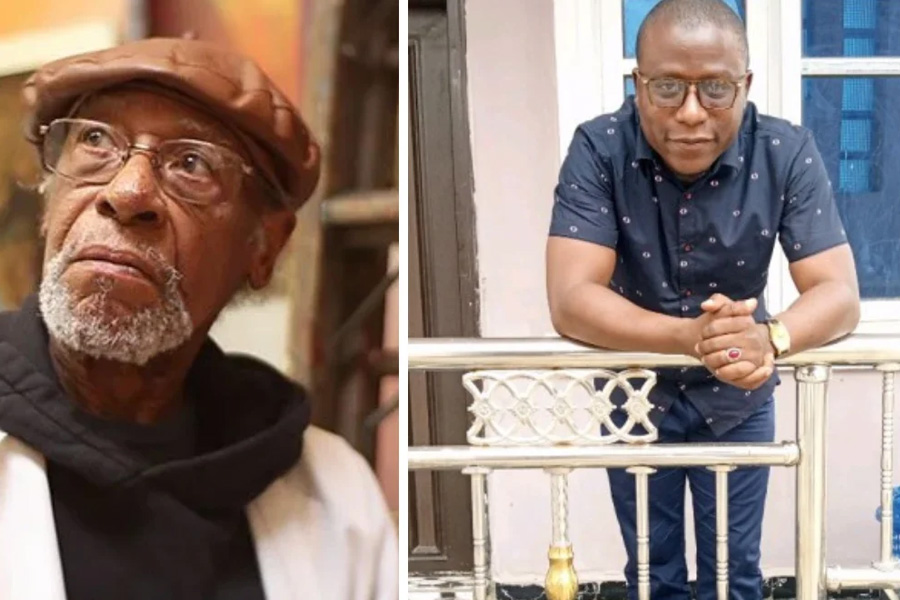
Basic Information
| Field | Details |
|---|---|
| Name | Shamsud Din Ali |
| Also known as | Shamsud-din Ali, formerly Clarence Fowler |
| Known for | Philadelphia imam, community leader, political influencer |
| City | Philadelphia, Pennsylvania |
| Public role | Mosque leader, school director, local power broker |
| Family circle | Faridah Ali, Lakiha Spicer Tyson, Azheem Spicer, Milan Tyson, Morocco Tyson |
| Public reputation | A figure tied to faith, politics, influence, and controversy |
| Notable legal history | Federal corruption case, prison sentence, restitution order |
The Man Behind the Name
I see Shamsud Din Ali as one of those figures whose life reads like a city map drawn in heavy ink. His story crosses religion, politics, family, and criminal history. He is not a minor footnote in Philadelphia history. He is one of those names that keeps surfacing whenever people talk about the city’s mix of mosque leadership, neighborhood influence, and the shadowy machinery of power.
He was once known as Clarence Fowler, and that earlier name matters because it marks the beginning of a very different chapter. Public accounts place him in Philadelphia’s rougher social and political underground before his later rise as an imam and community leader. He became known not only for preaching, but for moving through circles where faith and influence often sat at the same table. That kind of life can look like a bridge when viewed from one angle and a fault line when viewed from another.
What stands out to me is how visible he became. He was not hidden inside a single institution. He was part of the city’s public conversation. His name moved through mosques, schools, political circles, and eventually courtrooms. In many ways, he became a symbol of how one person can gather authority from both spiritual leadership and street-level credibility, then carry that authority into larger systems.
From Clarence Fowler to Shamsud Din Ali
A highlight of his biography is his change from Clarence Fowler to Shamsud Din Ali. Name changes can symbolize rebirth, statement, or shield. His new identity appears to have been anchored in faith and civic leadership. It affected how people and he saw him, thus that shift important.
Philadelphia Muslims called him a leader in the 1980s. That suggests his influence was gradual. Like water etching stone, it grew. He led mosques and guided communities. Later reports linked him to the Philadelphia Masjid and school leadership. That immersed him in city civic life as well as religious life.
His dual role gave him reach. People in his position often have more than titles. Trust can be worth more than money. It can summon meetings, open doors, and influence outcomes before a vote or contract is signed.
Career, Influence, and Public Power
I cannot describe Shamsud Din Ali only as an imam, because that would flatten the picture. His career was more layered. He was a religious leader, yes, but also a political connector. He moved close to city power. He was seen in the orbit of officials and institutions where influence becomes practical currency.
That kind of career is rarely tidy. It can have two faces. One face is service, guidance, and community standing. The other face is access, leverage, and the temptation to turn relationships into advantage. In his case, the public record shows that the second face became central.
He was eventually tied to a federal corruption case involving racketeering and fraud. The case involved contracts, influence, and money. He was convicted, sentenced to prison, and ordered to pay restitution and forfeit funds. These facts are part of his career too, because they changed the meaning of his public life. A person who once represented authority in a mosque later became a cautionary figure in the story of Philadelphia politics.
Still, I do not think his career can be reduced to one verdict. He had already spent years shaping public life before the legal collapse. He had built a name that people recognized. He had institutional standing. He had reach. That is important because it explains why his story still attracts attention. He was not just present. He was influential.
Family Ties and Personal Circle
The family side of Shamsud Din Ali’s life is closely tied to the Tyson name, and that is where much of the public curiosity gathers.
Faridah Ali, also publicly referred to as Rita Ali, appears as his wife. In family posts and public references, she is the most visible adult presence beside him. Their relationship matters because it places Shamsud Din Ali inside a household that remained visible even when the public narrative around him grew complicated. A spouse in a story like this often becomes a witness to both triumph and fallout. That seems true here as well.
Lakiha Spicer, also known as Lakiha Tyson after marrying Mike Tyson, is publicly associated with Shamsud Din Ali as his stepdaughter in contemporaneous reporting, even though later public references sometimes simplify the relationship. I think it is safest to treat her as part of his family circle and as one of the central figures connected to him through both blood and marriage networks. She is important not only because of the Tyson connection, but because she links Shamsud Din Ali’s world to one of the most famous families in modern boxing.
Azheem Spicer is another important family name. Public material describes him as a stepson, while some later family references suggest a close son relationship. Whatever the precise label, he appears as a direct part of the household and family structure around Shamsud Din Ali. In family stories like this, titles can blur, but the emotional and social bond often remains obvious.
Then there are the grandchildren, who make the family portrait feel more complete and more human. Milan Tyson is publicly identified as a grandchild. Morocco Tyson is another publicly documented grandchild. Their names bring the story forward into a younger generation, which matters because family legacies do not stop when the headlines fade. They continue quietly, often in photographs, birthday posts, and family celebrations.
There is also public mention of Dr. Saeedah Ali as a granddaughter. I would place her carefully in the family tree because the public material is less firm, but her name still appears in the broader family conversation. That tells me the Ali family has more depth than the most widely repeated names alone reveal.
What I find most interesting is how this family network stretches across religion, celebrity, and public life. It is not a small private circle. It is a family that has lived partly in public view, where every relationship can become part of a larger story.
Recent Public Attention
Shamsud Din Ali still draws attention. His recent social posts and birthday tributes reveal that he is still well-known in family and neighborhood circles. That attention is hardly political influence, but it shows his name is still around.
Recent mentions seem commemorative rather than investigative. They portray him as an elder, parent, and family patriarch rather as a defendant or organizer. People with turbulent pasts often change tone. Public memory recalls family images more than case files over time.
Older layers of the story remain. The weight of old Philadelphia power systems remains in his life, even after a birthday post emerges online. He is shadowed by the past like a huge structure.
Legacy and Public Image
When I think about Shamsud Din Ali, I think about contradiction. He is a religious leader with a criminal history. He is a father or stepfather figure tied to a well-known family. He is a local influence figure whose life moved from the mosque into the legal system. That mix makes him hard to pin down in one sentence.
His legacy is not polished. It is jagged, like a broken piece of glass that still reflects light. On one side is community leadership and spiritual authority. On the other is corruption, punishment, and controversy. Both sides belong to the same person, and that is what makes the story compelling.
FAQ
Who is Shamsud Din Ali?
Shamsud Din Ali is a Philadelphia-based Muslim leader, former imam, and public figure whose life also became tied to a federal corruption case. He is known both for his religious leadership and for his influence in city politics and community networks.
What is the connection between Shamsud Din Ali and the Tyson family?
The Tyson connection runs through Lakiha Spicer Tyson and her children. Public references place Lakiha in his family circle as a stepdaughter figure, and Milan Tyson and Morocco Tyson are publicly identified as his grandchildren.
Who is Faridah Ali?
Faridah Ali, also publicly referred to as Rita Ali, is the spouse most closely associated with Shamsud Din Ali in public family posts and reporting. She is part of the visible family structure surrounding him.
Was Shamsud Din Ali always known by that name?
No. Public material shows that he was formerly known as Clarence Fowler before later becoming known as Shamsud Din Ali. The name change is one of the most important parts of his life story.
What kind of work did Shamsud Din Ali do?
He worked as an imam, mosque leader, and community figure. He also held influence in Philadelphia political and civic circles, which later became part of a corruption case.
What is known about his grandchildren?
Milan Tyson and Morocco Tyson are the clearest publicly documented grandchildren connected to him. Their names appear in family references and public image captions, tying the Ali family to the Tyson household across generations.